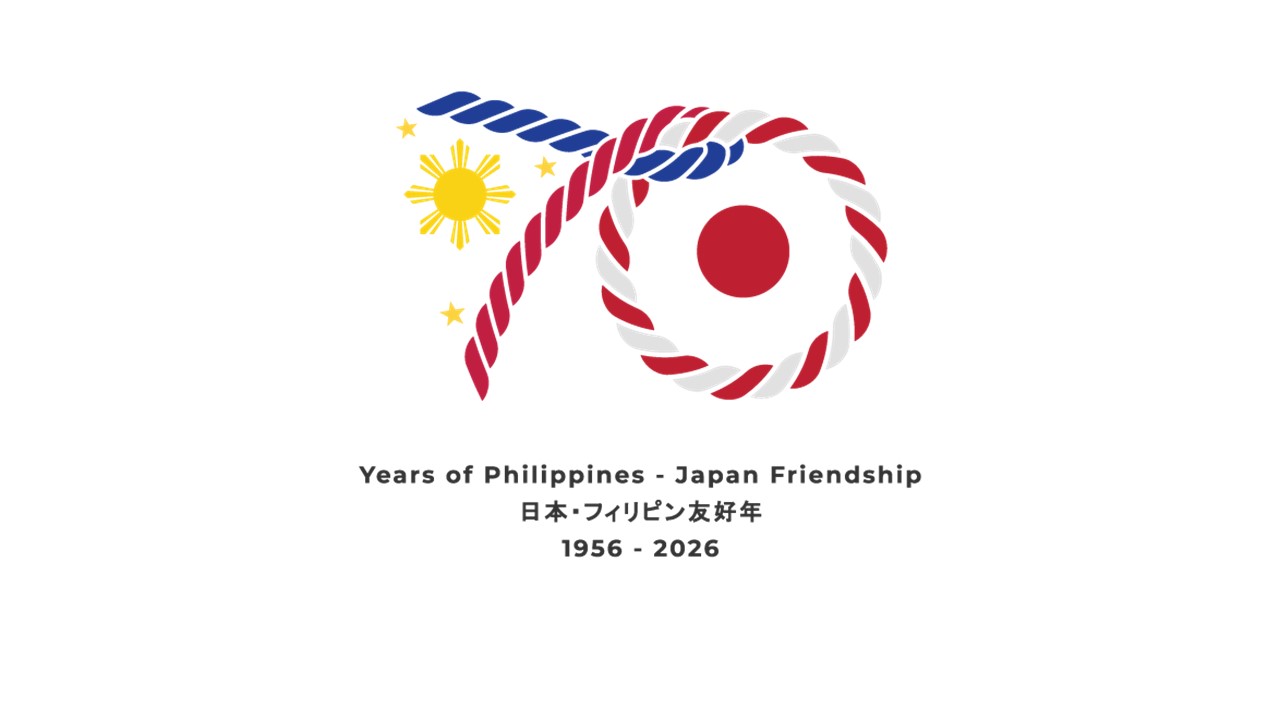
70 Years of Philippines - Japan Friendship
2026 marks the Philippines - Japan Friendship Year, commemorating the 70th anniversary of normalization of diplomatic relations between the two countries, which means they can use this opportunity to strengthen their relationship even further. This year, the Philippines is also the Chair of the Association of South East Asean Nations (ASEAN), with numerous high-level multilateral meetings taking place in Manila, so diplomacy and international protocol will be all around.
Japan and the Philippines are both Pacific nations with similar interests and trade relations. Therefore, their bilateral ties are important for both countries involved, and they have also committed to deepen Japanese-Philippine-US relations in a broader geopolitical context. Having lived, studied and worked in Japan for some years, I noticed the country has a noticeable Philippine diaspora. I’ve met numerous Philippine students in Japanese universities who are eager to become future leaders in their fields, showing that diplomacy goes further than just diplomatic pledges about mutual interests. During the Philippines - Japan Friendship Year, a wide variety of events will take place in both countries. This includes trade missions, cultural performances, historical expositions, film festivals, official visits, as well as diaspora events. The unity of the countries is further symbolized in the friendship year’s logo, designed by the Filipino artist Edmon Fuerte, featuring a Japanese Shimenawa rope intertwined with a Philippine Abaca hemp rope. In this way, the theme of “Weaving the Future Together; Peace, Prosperity, Possibilities’ is skillfully represented in this symbol. Furthermore, the design also incorporates the colors of both nations' flags; the sun from the Japanese flag, and the three stars and the sun from the Philippine flag. With this symbolism, it is rather clear how the two countries have the wish to work together and strengthen their bonds and future relationships.
On another note, Japanese prime minister Takaichi has won the recent elections with a very successful campaign, mostly on economics and immigration. It’s expected that this landslide victory will pave the way for quite some changes in Japan, now that the prime minister has a strong mandate. This means more focus on the economy, while also more emphasis on international affairs is to be expected. The prime minister aims to increase investments into Japan, which used to be rather low, historically, in the recent past. With the influx of expats over the last couple of years, Japan’s and Tokyo’s economy has changed drastically. Quite a number of wealthy individuals are experiencing Japan and Tokyo as an international playground for the rich and famous, which it always secretly has been. The new administration wants rein in some of this influx of expats, but it’s also expected that Japan will become a more internationally oriented country. Therefore, interesting developments from Japan can be envisioned in 2026. Most certainly, also in partnership with the Philippines during this special friendship year!
---
From 8 until 10 April, Protocol International offers its first open subscription training programme in the Philippines. This three-day course aims to deliver a comprehensive understanding of international protocol, VVIP visit management, diplomacy, negotiation techniques, intercultural dialogue, and strategic stakeholder engagement. Each module seamlessly integrates theory with contemporary best practices, while remaining firmly grounded in local and regional contexts, as well as being responsive to current needs, such as geopolitics and Artificial Intelligence.
Are you interested to join?
Please reserve your seat on this website under the header Trainings.
Mark Verheul and Maryse Larché Mele are looking forward to welcoming all participants in Manila!
